
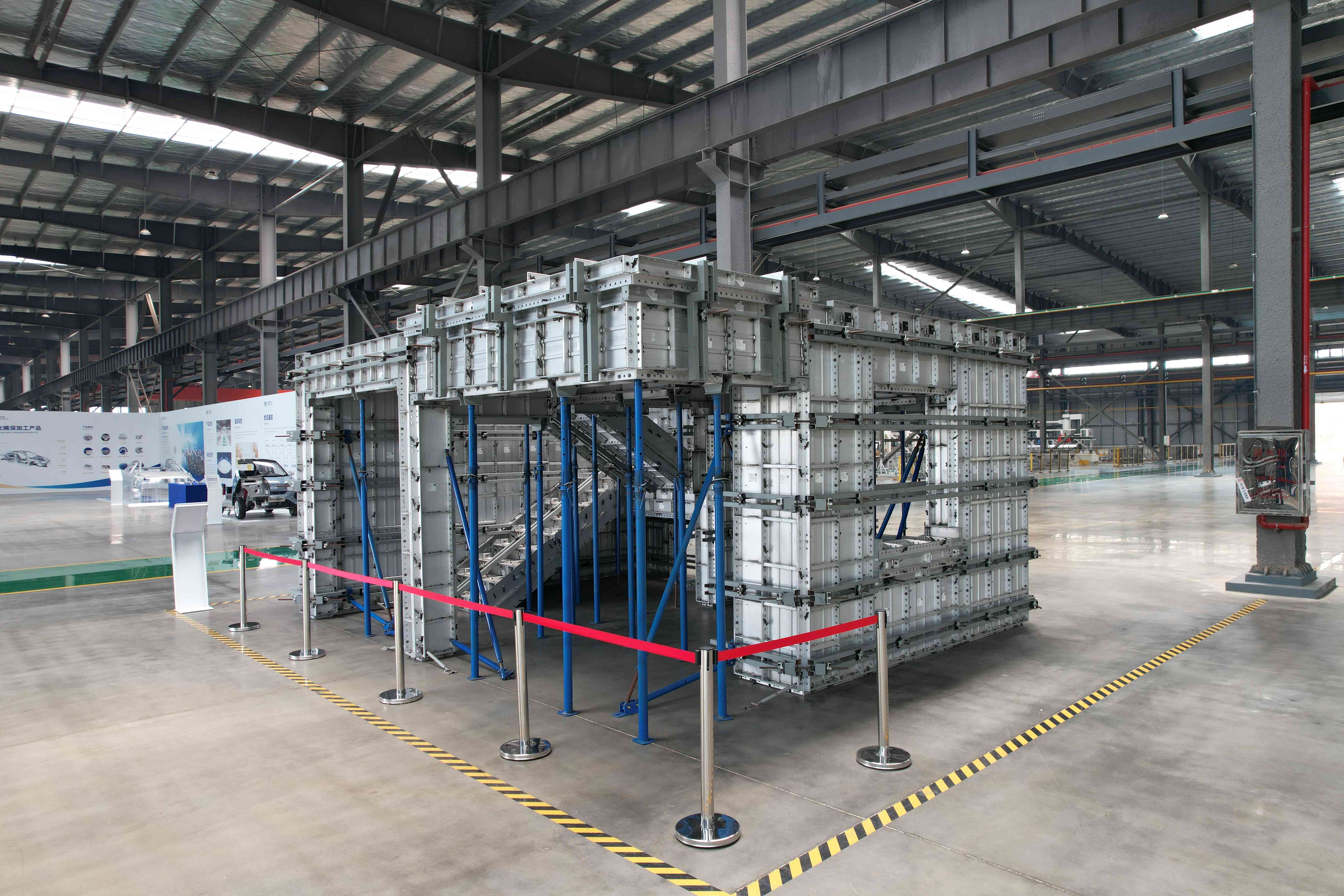
Efficiency in construction methods, accurate structural results, and reliable cost control are the basic requirements of modern construction projects. Traditional timber and steel formwork, for instance, often find it hard to cope with these demands due to their heavy weight, inconsistent quality, and limited reuse cycles, which are the main reasons for our experience supplying aluminum formwork systems to contractors overseas.
Aluminum formwork systems, however, present a workable solution. They are lightweight, long-lasting, and specifically designed for repeated use in wall, slab, and column construction. As a result of precise panel design and smooth concrete finishes, aluminum formwork allows contractors to increase output and reduce the number of workers needed.
CIEZN, an aluminum formwork manufacturer and exporter, supplies comprehensive formwork solutions that aid fast installation, stable concrete pouring, and project efficiency over a long period.
The CIEZN aluminum formwork system is so versatile that it can be used for walls, slabs, and columns as a single structural framework. Each panel is produced with meticulous precision to provide perfect alignment along with a very good surface quality of the concrete.
Key system components include:
This modular formwork system facilitates exceedingly quick assembly and disassembly, which allows the construction crew to finish one typical floor cycle in just a few days. If maintained properly, the system would serve for more than 200 times, thus having a huge impact on reducing project costs in the long run.
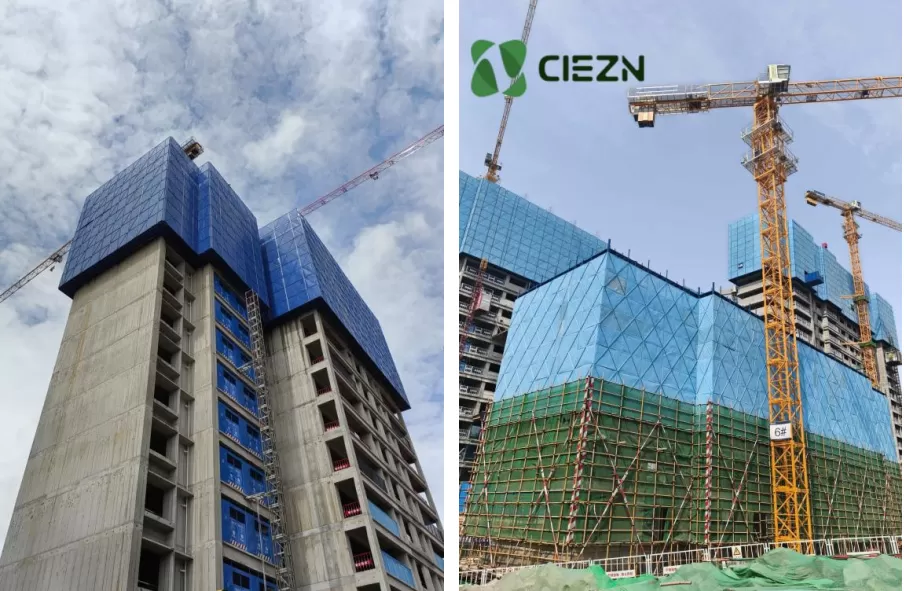
The system is often used in the construction of high-rise apartments, hotels, commercial buildings, and public infrastructure projects where speed, accuracy, and durability are the main requirements.
A clear installation flowchart helps site engineers, supervisors, and installation teams understand the complete sequence before work begins.
The typical aluminum formwork installation process includes:
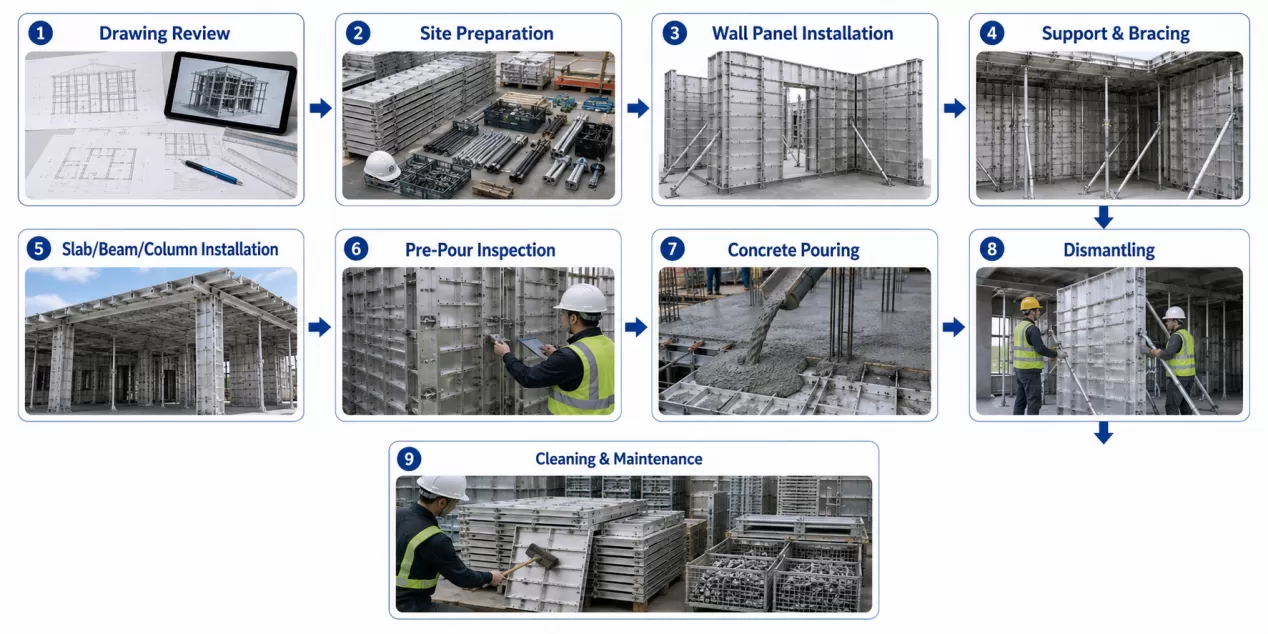
First, construction drawings must undergo a very careful review before the installation starts. Wall thickness, slab heights, column widths, and opening locations are verified to make sure the correct formwork configuration is given.
Before installation, the project team should confirm:
A complete shop drawing review can reduce installation errors and avoid panel mismatch on site.
Preparation of custom aluminum formwork layouts according to the project’s structural requirements is done. This will enable quicker and easier installation plus on-site adjustments will be reduced.
A level and stable foundation and working surface are required. Form alignment and concrete accuracy will be influenced by uneven ground. All tools, accessories, and panels should be placed in pre-defined spots for a more efficient installation.
Before panel assembly, site supervisors should check:
Good preparation helps improve installation speed and reduces unnecessary handling or rework.
All workers should get to know the basics of aluminum formwork handling, assembly methods, and safety practices through brief training sessions. Even though the aluminum panels are light which makes manual handling easy, lifting techniques and personal protective equipment are still required.
The wall formwork installation starts with the internal walls and then the external walls.
The panels are laid out according to the drawings and joined with regular pins and wedges. Vertical alignment is checked with measuring tools to make sure that the walls are straight and have the right dimensions.
Form-release agents are spread on the surfaces of the panels to avoid adherence of concrete and to make the later dismantling process easier. Tie rods and locking systems are then set up to provide structural stability during the pouring of concrete.
During wall formwork installation, workers should check:
These checks help prevent wall misalignment, grout leakage, and poor concrete surface quality.
Once the wall panels are in place, the support props and diagonal braces are put in. These elements keep the concrete from moving and also the form's structural integrity.
Adjustable supports aid in making precise the vertical and horizontal alignment. Proper bracing is needed for smooth concrete surfaces and even wall thickness.
Before moving to slab and beam installation, supervisors should confirm:
Proper support checking is essential for maintaining wall straightness and preventing formwork deformation.
The slab and beam panels are set on the wall system.
The slab formwork is supported by props while beam panels are secured according to the beam layout. The junction of walls, slab, and beam creates a robust structure that is able to endure the pressure of concrete.
All the joints are checked to make sure they are tight and thus no leakage occurs during the pouring.
For slab, beam, and column systems, the installation team should check:
These checks help ensure safe concrete pouring and accurate structural dimensions.
Before concrete placement, a complete inspection is conducted. Workers check:
Additional pre-pour quality checks should include:
A careful pre-pour inspection helps avoid leakage, bulging, misalignment, and safety risks during concrete placement.
This final review ensures the formwork system meets structural and safety requirements.
Concrete materials, vibration tools, and finishing equipment are prepared in advance. The formwork system is checked for gaps, misalignments, or any loose components that could cause problems.
Concrete is poured at once in a uniform manner to take no chances on the formwork being subjected to uneven pressure. The process of mechanical vibration not only removes air pockets but also increases the density of the concrete. The surface is leveled to get the desired finish.
The dismantling process starts when the concrete has gained its required strength.
The panels of slabs and beams are usually the first to be removed and afterward the wall form panels. If the release agents are applied correctly, the aluminum surfaces will be clean and free of any damage.
The smooth finish of the concrete reduces the demand for the application of plastering thus saving time and materials.
After dismantling, the team should check:
Post-dismantling inspection helps maintain aluminum formwork accuracy and extend the reuse life of the system.
Proper maintenance extends the service life of aluminum formwork. After dismantling:
Damaged components are replaced promptly to maintain system performance. With routine care, aluminum formwork can be reused across many projects, delivering consistent results and strong cost efficiency.
Addressing these issues improves both construction safety and concrete quality.
Aluminum formwork systems offer a practical, reliable solution for modern construction. Their lightweight design, fast installation, and high reusability improve project efficiency while reducing labor and material waste.
For international contractors, aluminum formwork provides:
With professional design support and quality manufacturing, the CIEZN aluminum formwork system helps global construction projects achieve consistent, high-performance results.
A: Based on typical site experience, a trained installation team can complete one floor cycle within 3–5 days, depending on project complexity and workforce size.
A: Yes. Aluminum formwork is widely used in high-rise residential, commercial, and infrastructure projects due to its strength, precision, and fast installation speed.
A: With proper maintenance, aluminum formwork panels can be reused over 200 times, making them suitable for long-term construction programs.
A: The smooth panel surface produces clean concrete finishes, which often reduce the need for additional plastering.
A: Aluminum formwork offers faster construction cycles, lower labor requirements, and consistent quality, making it a cost-effective solution for international projects.
Phone: +8618711321769
Email: alame.vicky@gmail.com
WhatsApp: +8615400055585
Address:No.88, Shuntian Avenue, Xiangyin District, Xiangjiang New District Hunan Province

 EN
EN
 RU
RU
 AR
AR
 ES
ES