
Modern construction increasingly depends on aluminum formwork systems because they deliver faster installation, lighter handling, and excellent reusability across multiple projects. Yet one factor is often underestimated: the reliability of the Pin–Wedge–Tie connection system. These small components—including the aluminium pin, aluminium wedge, and aluminium tie—play an outsized role in determining how well a formwork system performs under real job-site conditions.
A strong, precise, and durable connection system affects overall stability, safety, cost efficiency, and lifecycle value. This article explains why both exporters and buyers should pay close attention to connection accessories and uses CIEZN’s solutions as a practical industry example.
A Pin–Wedge–Tie system refers to a mechanical setup used to lock aluminum formwork panels together and to hold them at fixed spacing. The system is built up with three components:
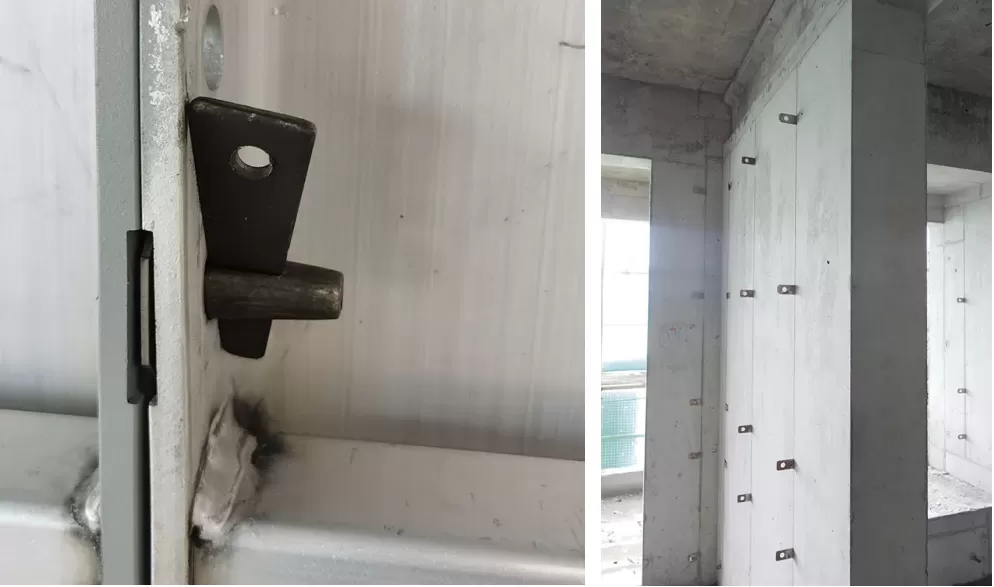
Manufacturing companies like CIEZN have standardized "Wedge & Pin" connections and a variety of Flat Tie options targeted at several wall thicknesses.
When assembled, the pin passes through the tie and panel holes, wedge locks the connection, and the tie provides spacing stability. This simple mechanism gives structural rigidity during concrete placement.
For procurement and site management, accessory specifications should be checked before placing an order. Even small differences in size, hole matching, or material strength may affect installation efficiency and formwork safety.
| Accessory | Key Specification Items | Function in Formwork System |
|---|---|---|
| Pin | Diameter, length, head shape, hole fit, surface coating | Connects adjacent panels and transfers installation load |
| Wedge | Thickness, taper angle, locking surface, hardness, coating | Locks the pin and provides clamping force |
| Flat Tie / Wall Tie | Length, width, thickness, hole position, breaking strength | Controls wall thickness and resists lateral concrete pressure |
| Tie Rod / Connector | Thread size, length, load capacity, compatibility | Supports wall spacing and system stability |
| Waler / Back Support | Section size, fixing position, strength | Keeps panels straight under concrete pressure |
Typical accessory materials may include high-strength steel, galvanized steel, or specially coated components depending on project requirements. Surface treatment such as galvanizing or zinc coating helps improve corrosion resistance and extend reuse life, especially in humid, coastal, or high-cycle construction environments.
Before bulk purchasing, buyers should confirm whether the pins, wedges, and ties match the panel hole size, wall thickness requirement, and supplier’s standard aluminum formwork system.
The pin serves as the initial locator and load-transfer point between adjoining panels. Its diameter and straightness determines how smoothly the panels align and how securely the connection holds during vibration and pouring.
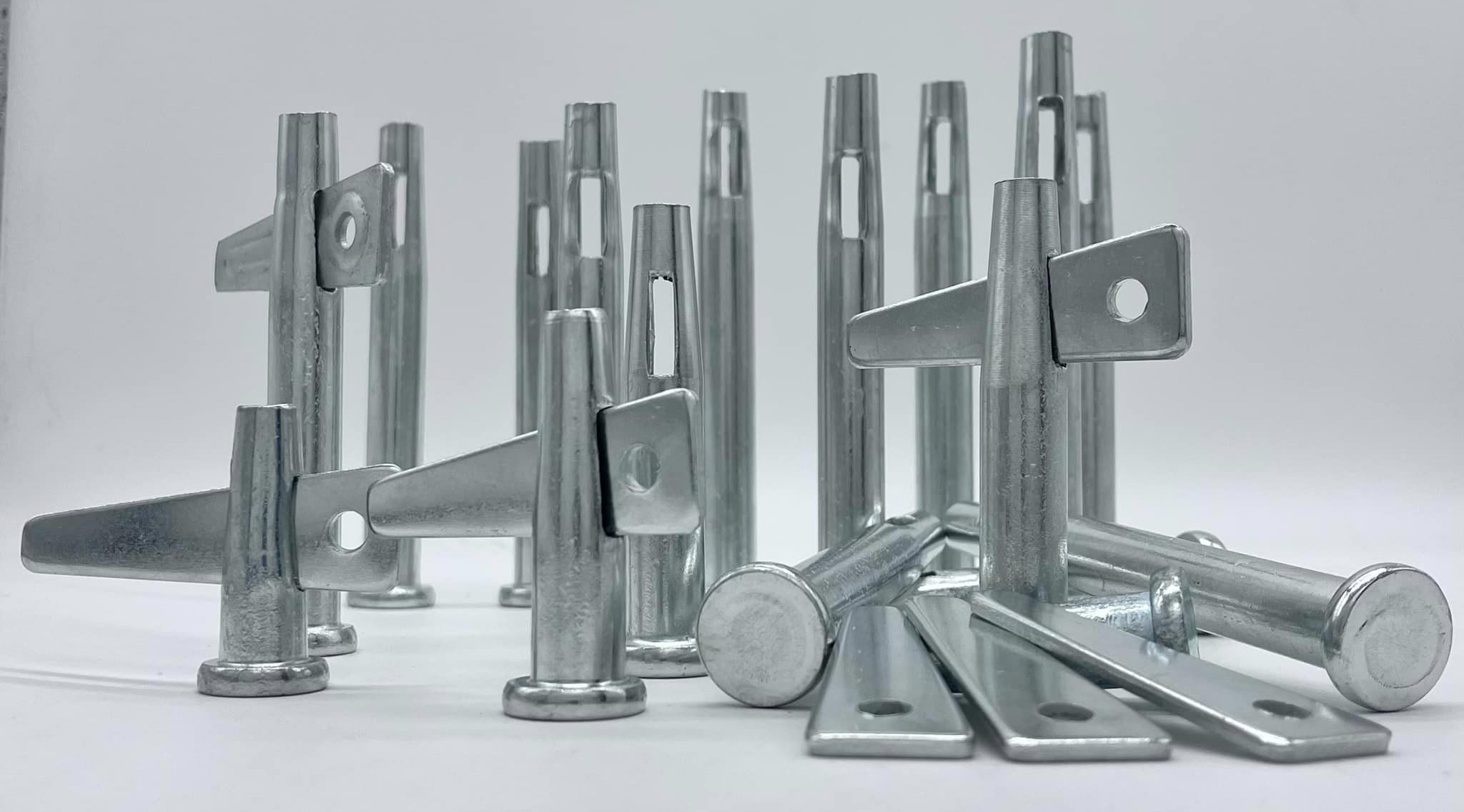
The wedge provides the locking force. In driving it against the pin, installers create a snug, vibration-resistant connection. A properly designed wedge offers high clamping strength without deforming under pressure.
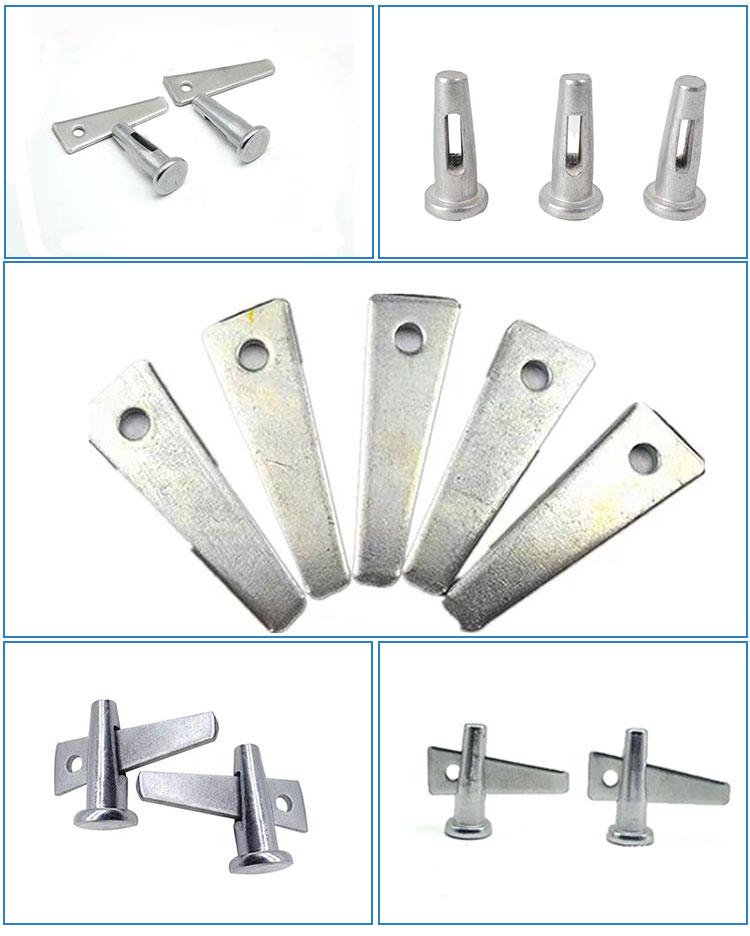
The tie-renesherently a Flat Tie or Wall Tie-maintains the spacing that is exact between opposite panels. It absorbs lateral pressure because of fresh concrete and prevents bulging, misalignment, or leakage. Inadequate strength in a tie will lead to panel deformation and compromise the finished concrete surface.
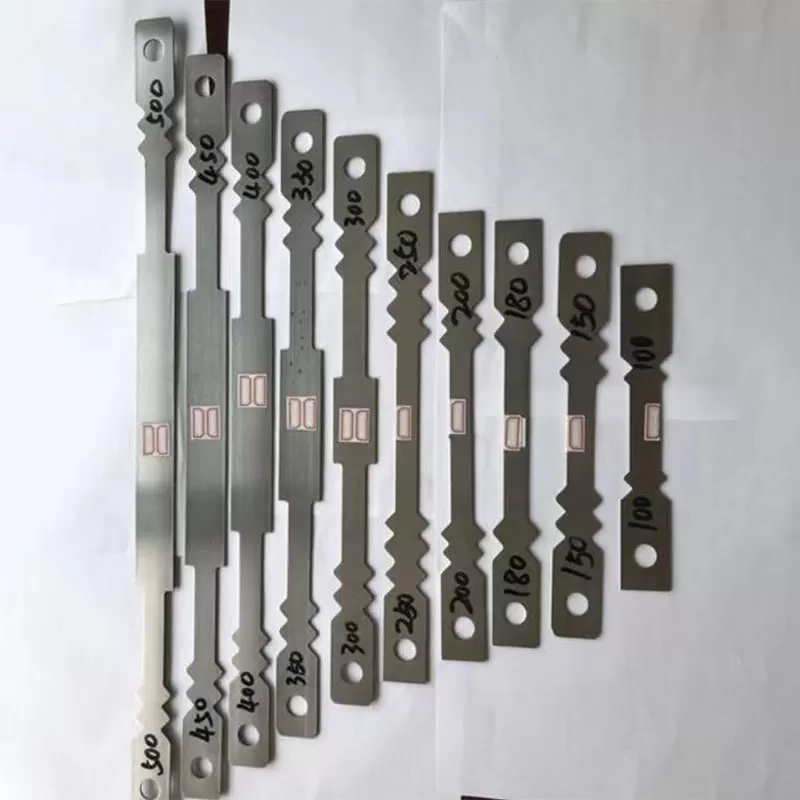
Material quality, coating durability, and manufacturing precision have a direct impact on the long-term reliability of these components. Poor steel composition or poor galvanizing can significantly reduce reuse cycles.
During concrete placement, formwork must withstand tremendous pressure and continuous vibration. A weak or worn aluminium wedge or aluminium tie can loosen unexpectedly, leading to shifting, leakage, or even blowouts. A robust connection system greatly reduces these risks and ensures panel alignment remains intact throughout the pour.
A high-quality aluminium formwork pin and tie system can be reused dozens of times without bending or corrosion. CIEZN emphasizes anti-corrosion coatings and high-strength steel to extend lifecycle value. Low quality parts could result in much more frequent replacements, increasing the hidden costs.
A precise, easy-to-handle aluminium wedge and pin arrangement allows operators to rapidly assemble or remove panels with a minimum of tools. Faster cycle times equate directly to higher productivity. CIEZN’s connection components are designed for smooth insertion, firm locking, and rapid removal.
The stable, vibration-resistant connections keep panels aligned, providing flat, plumb, and dimensionally correct concrete surfaces. An appropriate, dependable aluminum formwork tie prevents excessive movements, which reduces honeycombing and develops a better final concrete finish.
Low-quality pins, wedges, and ties may look like minor components, but they can create serious risks during aluminum formwork construction.
Common risks include:
For example, if a wedge does not lock tightly, vibration during pouring may loosen the connection. If a flat tie has insufficient strength, it may deform or break under concrete pressure, causing wall thickness variation or panel displacement.
Therefore, contractors should not evaluate aluminum formwork accessories only by unit price. Material strength, dimensional accuracy, surface treatment, and compatibility with the complete formwork system are more important for long-term project safety and cost control.
Even the best systems wear out from repeated use, heavy vibration, and exposure to moisture and concrete slurry. Common problems include:
Contractors shall check the aluminium formwork wedge and pin at the end of each project cycle. A closer look once every few cycles is recommended to avoid fatigue. Worn-out parts should be replaced to maintain safety and extend the service life of the formwork system.
A practical inspection checklist includes:
Regular inspection helps prevent hidden connection failures and keeps the aluminum formwork system stable across multiple reuse cycles.
Some formwork systems use clamps, bolts, or quick-lock clips rather than the traditional pins and wedges. Although each one has its use, the Pin–Wedge–Tie method is predominantly used in aluminum formwork due to several reasons:
| Criteria | Pin–Wedge–Tie | Alternative Locks |
|---|---|---|
| Strength | High clamping force | Varies by design |
| Vibration Resistance | Excellent | Moderate |
| Reusability | High | Medium |
| Speed | Fast installation | Often slower |
| Cost | Economical | Higher for complex locks |
| Compatibility | Universal | System-specific |
The best balance between stability, cost-effectiveness, and global compatibility for exporters and suppliers can be achieved with this system.
Reliable exporters must guarantee material quality, strength testing, and corrosion resistance for every aluminium formwork pin, wedge, and tie they supply. Given the diversity of climate conditions and construction standards worldwide, consistent quality is essential.
Suppliers like CIEZN offer:
A good connection system is the basis for trust in working relationships, securing repeat orders, and creating long-term partnerships.
A high-value Pin–Wedge–Tie system is the backbone of aluminum formwork performance. Be it safety, alignment, re-usability, or concrete finish, the aluminum pin, aluminum wedge, and aluminum tie directly influence the overall success of construction projects.
Besides checking the formwork panels, buyers and contractors should also assess the quality and strength of all connecting accessories. For comprehensive, certified, and lasting systems, one should get in touch with a professional supplier that can assure him of continuous quality and technical support.
Choosing reliable pins, wedges, ties, and other connection accessories is essential for safe installation, stable concrete quality, and long-term reuse.
CIEZN can provide compatible aluminum formwork accessories, including wedge & pin sets, flat ties, X spacer flat ties, tie rods, walers, and related components for complete aluminum formwork systems.
They align and hold adjacent panels in place and provide the principal structural connection during concrete placement.
After a few cycles of reuse, or whenever bending, corrosion, or fatigue is visible.
Yes, with repeated hammering and vibration, wear may occur. Regular inspections provide for replacement well in advance.
Most aluminium formwork systems are using standard hole spacing, but compatibility always must be checked.
Galvanizing or zinc coating protects against corrosion, greatly extending reuse life.
Phone: +8618711321769
Email: alame.vicky@gmail.com
WhatsApp: +8615400055585
Address:No.88, Shuntian Avenue, Xiangyin District, Xiangjiang New District Hunan Province

 EN
EN
 RU
RU
 AR
AR
 ES
ES