
The construction industry currently experiences a fundamental transformation because contractors pursue building methods that deliver faster results, safer operations, and reduced costs. Traditional formwork systems that once dominated the industry are gradually being replaced by modern alternatives, which support industrialized construction.
For decades, timber and steel formwork systems have been widely used in concrete construction. However, modern construction projects are exposing several limitations of these conventional methods:
At the same time, rising labor costs and increasing project complexity are forcing contractors to adopt solutions that improve productivity.
The international construction industry now uses aluminum formwork systems which can provide effective solutions for building projects.
These systems are particularly popular in:
The Middle East, Southeast Asia, and certain European countries have started using lightweight aluminum formwork systems because these systems enable standard construction methods and speed up project delivery times.
This article explains:
Modern aluminum formwork systems are designed to create accurate concrete structures while improving job-site efficiency.
Shoring refers to the temporary support structures used during concrete pouring and curing. The concrete needs to reach its required strength before these supports can keep structural elements like slabs and beams stable.
Aluminum shoring systems present various advantages when compared to conventional steel supports:
The lightweight strong properties of aluminum components enable contractors to decrease their requirement for bulky lifting equipment at the work site.
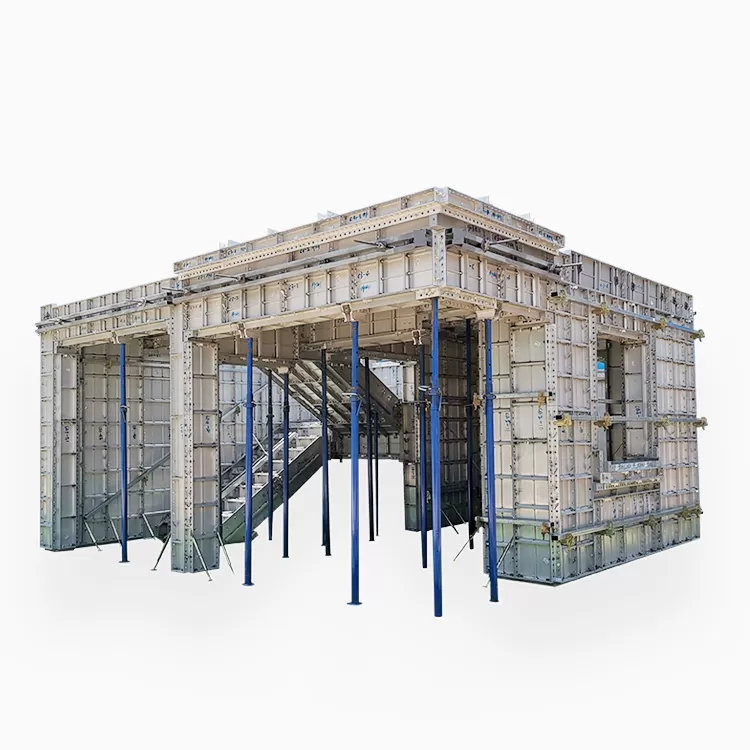
A complete aluminum formwork system typically includes multiple integrated components designed to form different structural elements.
Contractors can explore the full aluminum formwork product range to understand available configurations.
The main elements include:
Wall formwork for vertical concrete walls
Slab formwork for horizontal floor structures
Column formwork used in reinforced concrete columns
Beam formwork for structural beams
Aluminum shoring systems for temporary load support
Adjustable props that help maintain structural stability
Formwork accessories such as pins, wedges, and tie rods
Together, these components create a modular construction system capable of handling complex building layouts.
The modular structure of aluminum formwork systems provides their primary benefit to users.
The construction team uses standardized connection methods to build prefabricated panels at their work site. The used panels for the concrete structure will be taken down after completion and used for construction on the subsequent level.
The construction process enables contractors to build multiple floors while maintaining a streamlined and effective operational system.
When evaluating aluminum formwork systems, many contractors focus primarily on the initial investment. However, the real economic advantage lies in long-term cost efficiency.
The cost of an aluminum formwork system usually includes several components:
Although the initial purchase cost may appear higher than timber formwork, aluminum systems typically provide much better long-term value.
High-quality aluminum formwork panels can typically be reused 200 to 300 times or more.
For large residential developments or multi-tower projects, this level of reusability dramatically reduces the cost per square meter of construction.
As reuse cycles increase, the effective cost of the formwork system decreases significantly.
Aluminum formwork systems are designed to simplify installation processes.
Benefits include:
In countries where labor costs are rising, this advantage can significantly improve project profitability.
Speed is another critical factor influencing project return on investment.
With aluminum formwork, contractors can often complete a floor cycle within four to six days.
Shorter construction timelines allow developers to:
The lightweight nature of aluminum formwork is one of its most valuable advantages.
The design of aluminum formwork panels, which weigh between 20 and 25 kilograms, allows two workers to move them without needing heavy machinery.
The combination of these two elements creates safer work environments through decreased worker fatigue.
The usage of lighter materials makes it easier to move and store items throughout their entire transportation cycle.
Aluminum formwork systems achieve their exact specifications, which results in superior concrete surface outcomes.
Key advantages include:
The improvements that result from this process allow developers to decrease their finishing costs during large housing projects.
The worldwide adoption of aluminum formwork systems exists because these systems enable standard building designs to be constructed in:
Developers can replicate floor plans efficiently, enabling faster and more consistent construction.
Contractors often compare aluminum systems with traditional materials before making investment decisions.
Timber formwork is inexpensive initially but has a short lifespan.
Typical differences include:
Additionally, aluminum formwork provides greater dimensional accuracy and is more environmentally sustainable.
Steel formwork offers strong structural capacity but is significantly heavier.
Compared with steel systems, aluminum formwork offers:
These advantages explain why many contractors prefer aluminum solutions for modern projects.
Considering factors such as cost efficiency, installation speed, and sustainability, aluminum formwork has become a preferred solution for many international construction firms.
Our company provides comprehensive formwork solutions designed for large-scale building projects.
You can explore our complete system at the aluminum formwork system product catalog.
Designed for reinforced concrete walls and structural columns in high-rise buildings.
These systems support horizontal structural components such as floors and beams while maintaining high accuracy.
Our shoring systems include:
These components ensure structural stability during concrete curing.
Additional accessories include:
Custom components can also be produced based on project drawings.
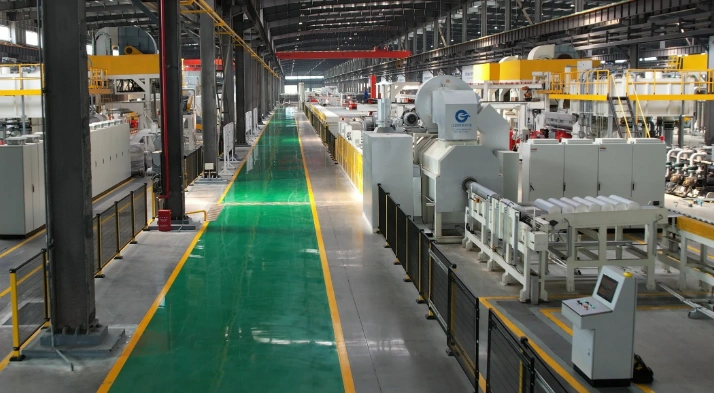
Beyond supplying products, we provide comprehensive project support for contractors around the world.
Our engineering team analyzes architectural drawings and develops optimized formwork layouts tailored to each project.
We ensure consistent quality through:
Our export services include:
Selecting the right supplier can significantly impact construction efficiency.
Contractors should evaluate potential suppliers based on:
A reliable partner can help reduce construction costs while improving project timelines.

Aluminum formwork serves as a construction tool that architects use to create concrete structures that include walls, slabs, columns, and beams.
High-quality aluminum formwork systems usually allow for between 200 and 300 reuse operations, which depend on the particularities of each project situation.
The system becomes optimal for high-rise construction because its lightweight panels and modular design support the quick implementation of standard floor patterns.
Although the initial costs of aluminum formwork exceed those of timber formwork, the system delivers lower total expenses throughout its operational life because it enables multiple uses and accelerates building procedures.
Yes. Manufacturers use architectural drawings and structural requirements to develop their formwork layouts.
Phone: +8613142178560
Email: aluform@ciezn.com
WhatsApp: +8613142178560
Address:No.88, Shuntian Avenue, Xiangyin District, Xiangjiang New District Hunan Province

 EN
EN
 RU
RU
 AR
AR
 ES
ES