
In the global construction sector, durable aluminium formwork is kind of essential for long term efficiency, cost control, and a more predictable project schedule. A system that can handle hundreds of reuse cycles, does something quite big for lifecycle costs because it’s usually a lot lower compared to timber or steel solutions. CIEZN Formwork offers a broad selection of wall and column formwork, beams, decks, and a bunch of accessories for residential, commercial, industrial, and infrastructure projects, so procurement managers can actually make more informed decisions without guessing.
The actual lifespan of an aluminium formwork system affects long-term expenses, how quickly materials turn over, and overall scheduling reliability. When systems are designed for hundreds of reuse cycles, they tend to minimize lifecycle cost versus timber or steel solutions. For contractors and procurement teams, reuse cycles are not only a technical indicator but also a major input for return on investment calculations. In general, the longer the service life of the system, the lower the average cost per pour, so aluminium formwork becomes a very cost effective option for repetitive building works.
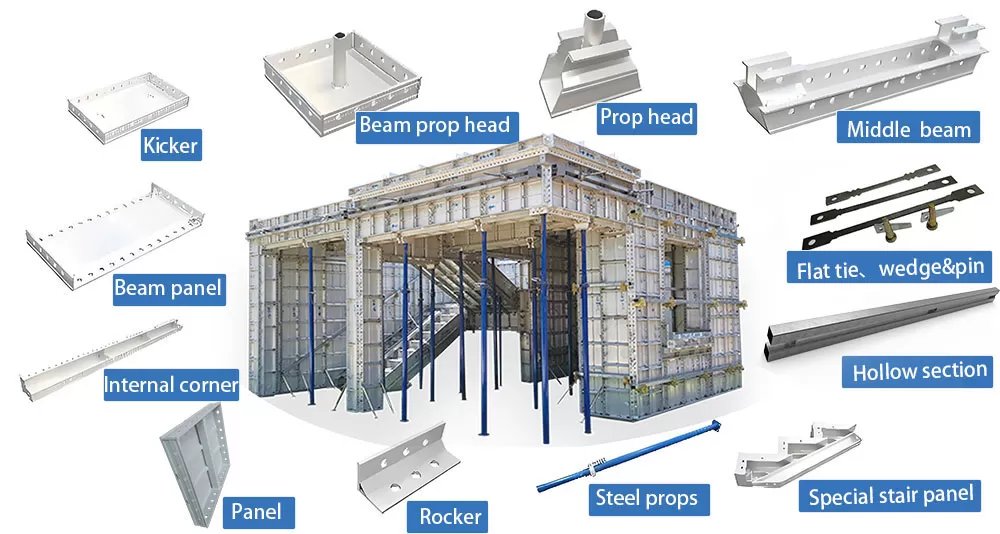
Aluminum alloys with high strength and a constant chemical composition provide an optimal carrying capacity. The ribs’ reinforcement, along with the precise machining, reduces stress.
The panels’ surface is protected by anodization and other protective layers to ensure resistance to mechanical damage, cement splashes, humidity, and corrosion, even in harsh environments like coastal or humid regions.
A properly engineered aluminium formwork system should basically mix strength with easy handling and durability. The following features help extend service life:
Proper handling, structured maintenance, cleaning, dry storage, and padded lifting equipment reduce accidental damage. Correct installation and stripping prevent distortion and maintain structural integrity across reuse cycles.
To keep aluminium formwork in stable working condition, contractors should establish a regular maintenance plan instead of relying only on visual checks before installation.
| Maintenance Stage | Inspection / Action Items | Purpose |
|---|---|---|
| Before each use | Check panel flatness, frame edges, ribs, pin holes, and accessory completeness | Prevent installation errors and casting defects |
| After stripping | Remove concrete residue, inspect surface coating, clean pins and wedges | Avoid cement build-up and reduce abrasion |
| Weekly or every 5–10 uses | Check deformation, weld condition, rib damage, and locking accuracy | Identify early damage before it affects assembly |
| Monthly or per project phase | Classify panels by condition and repair minor scratches or dents | Extend system life and maintain reuse efficiency |
| Before long-term storage | Clean thoroughly, dry completely, apply protection if needed, and stack correctly | Prevent oxidation, moisture damage, and edge impact |
A clear maintenance cycle helps site teams detect problems early and prevents small damage from developing into major structural deformation.
After stripping, aluminium formwork should be cleaned immediately. Cement residue becomes harder to remove over time and may affect panel accuracy, surface quality, and future assembly efficiency.
A recommended cleaning SOP includes:
Standardized cleaning after every use is one of the most practical ways to improve reuse cycles and protect long-term ROI.
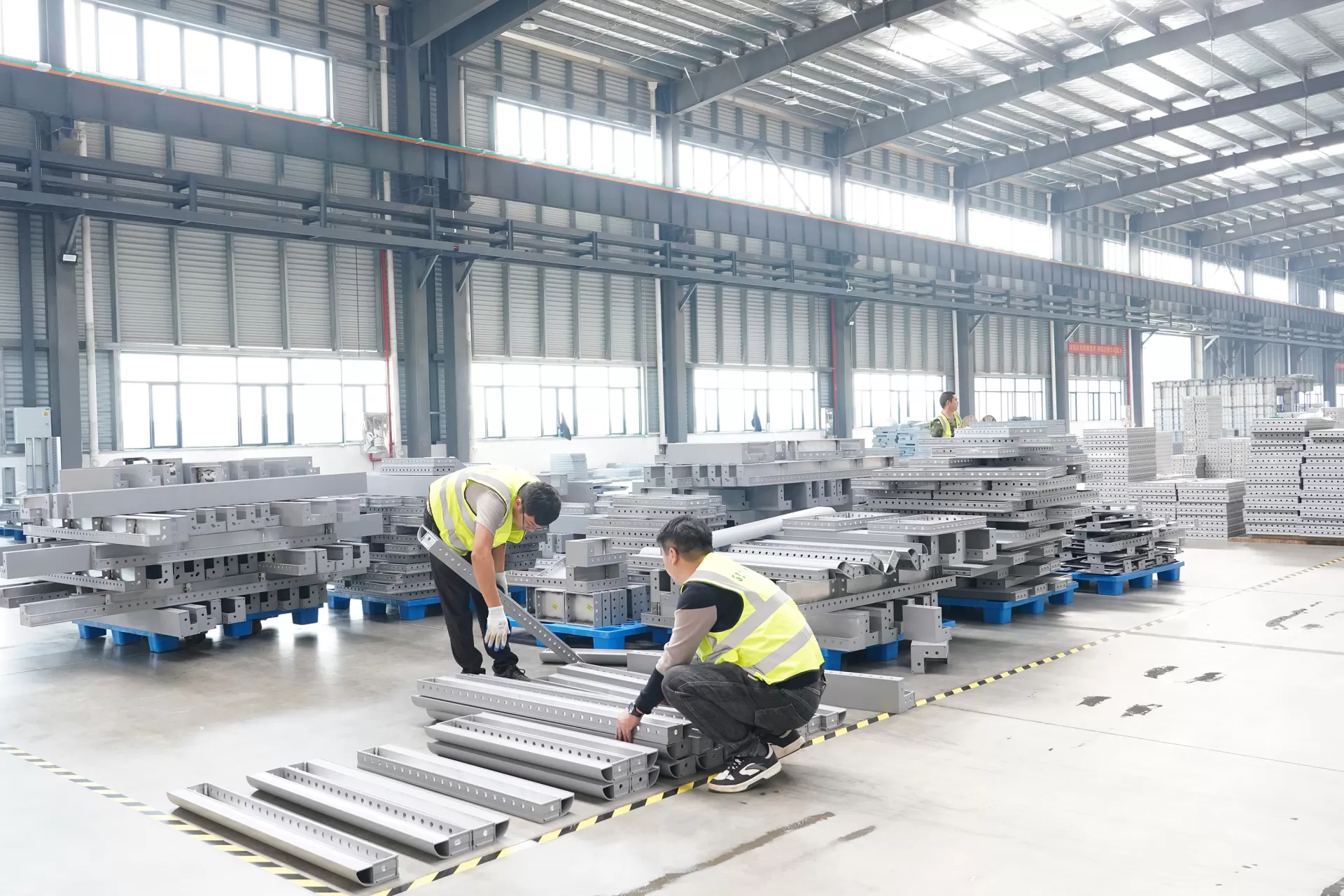
High-precision accessories, like pins, wedges, walers, wall ties, and locking parts, help minimize vibration-related wear and keep structural integrity in place, even under stress.
Teams also need to grasp panel layout, the specific connections, and torque settings to avoid distortion or frame damage. Improper installation, overtightening, forced alignment, or even loose stripping methods can lead to panel deformation and, in practice, shorten the service life quite a lot.
When stripping, workers should follow the designed sequence and avoid hammering or prying panels with too much force. If a panel won’t come off smoothly, the right move is to check the cause first, not just push through. Proper stripping protects panel edges, walers, and connection holes, which are basically the critical points for reuse later on.
Check panel flatness, frame condition, rib deformation, surface coating wear, and accessory tightness to detect early signs of damage.
Regular inspection should focus on the following areas:
Panels with minor surface scratches can usually continue to be used after cleaning and repair. However, panels with severe frame deformation, damaged ribs, or inaccurate connection holes should be repaired or removed from active use to avoid affecting casting quality.
The panels must be placed with sufficient padding on flat ground for transport to avoid bending or edge hits.
When transporting aluminium formwork, ensure bundling to protect against any collision. Appropriate lifting points must be used in forklift loading, and appropriate padding must be applied when lifting with a crane and loading into a truck. Avoiding direct impact at corners, frames, or connection holes is recommended.
Recommended storage methods are as follows:
Storage helps maintain accurate dimensions and avoids costly repairs between jobs..
Certified connectors prevent structural stress and ensure optimal function, reducing wear of critical joints.
Accessories are small components, but they directly affect system stability, installation accuracy, and safety. Pins, wedges, ties, bolts, nuts, walers, and locking components should be inspected regularly and replaced when they no longer meet working standards.
Replacement is recommended when:
Using damaged or non-certified accessories may increase joint stress, reduce casting accuracy, and shorten the service life of panels. Therefore, contractors should keep a stock of original spare parts and replace worn components in time.
Standard systems provide 200–300 reuse cycles under normal conditions, with high-precision systems exceeding this. Aluminum maintains shape and resists moisture, giving stronger lifecycle performance than timber or steel formwork.
Each additional reuse cycle delivers direct financial savings compared to disposable timber systems. Faster assembly and stripping reduce labor needs, shorten timelines, and support predictable project planning. Consistent material quality, precision-machined parts, and available spare components maximize ROI.
For procurement teams, the real value of aluminium formwork should be evaluated by total lifecycle cost rather than only initial purchase price. A system with better alloy quality, accurate machining, reliable accessories, and clear maintenance support can achieve more stable reuse cycles, lower repair costs, and better project efficiency.
Quality materials, advanced engineering, proper handling, and continuous maintenance maximize lifespan. CIEZN Formwork provides durable, lightweight, and modular solutions that meet international standards and support extended reuse cycles. Global contractors benefit from reduced costs, improved casting accuracy, and rationalized processes.
By following a structured maintenance schedule, cleaning panels immediately after stripping, protecting formwork during transportation and storage, and replacing worn accessories on time, contractors can significantly extend the life of aluminium formwork systems and improve long-term return on investment.
🔗 Visit us for more Aluminium Formwork Products
Most systems last for 200–300 cycles, with high-precision solutions going even higher under proper handling and regular maintenance.
Alloy quality, surface treatment, structural design, correct installation, cleaning after stripping, storage conditions, and on-site maintenance are key factors.
Yes. Aluminium allows more reuse cycles with better dimensional stability and lower long-term costs, especially for repetitive building projects.
Poor handling, overtightening, incorrect stripping, improper storage, delayed cleaning, and the use of damaged accessories can reduce service life significantly.
Accessories should be replaced when they are bent, cracked, loose, corroded, misaligned, or unable to lock securely. Using original certified accessories helps maintain system accuracy and safety.
Phone: +8618711321769
Email: alame.vicky@gmail.com
WhatsApp: +8615400055585
Address:No.88, Shuntian Avenue, Xiangyin District, Xiangjiang New District Hunan Province

 EN
EN
 RU
RU
 AR
AR
 ES
ES